

Who Is WPM? The Story Behind Welhome Pro Manufacturing
WPM — short for Welhome Pro Manufacturing — is a specialty coffee equipment brand headquartered in Hong Kong. Born from a deep conviction that every coffee lover deserves professional-grade tools, WPM has grown from a regional appliance maker into one of the most respected names in the global barista community.
The roots of WPM trace back to G.E.W. Corporation Ltd., founded in Hong Kong in 1976. For decades, G.E.W. built its reputation manufacturing OEM and ODM home appliances for brands across Europe, the United States, Australia, and Japan. That accumulated engineering expertise laid the groundwork for something more ambitious.
In 1995, the Welhome brand was established. A decade later, in 2005, WPM produced its first dedicated coffee machine — the KD-210 — marking the beginning of a new chapter. Today, WPM operates more than 50 WPM Coffee Lab experience centers worldwide, from Hong Kong to Seoul, from Abu Dhabi to Frankfurt, serving as hubs where baristas, café owners, and home brewing enthusiasts can train, test equipment, and connect with the broader coffee community.
Heritage: Three Decades of Coffee Innovation
From manufacturing home appliances to engineering competition-winning barista.
equipment, WPM’s journey reflects a relentless pursuit of café-quality perfection.
Year Milestone
1976 G.E.W. Corporation Ltd. founded in Hong Kong. Begins OEM manufacturing for global appliance brands.
1995 The Welhome brand is established, focusing on high-quality home appliances for the Asian market.
2005 WPM produces its first espresso machine — the KD-210 — entering the specialty coffee equipment market.
2010s Rapid expansion across Asia. WPM Coffee Labs open in major cities. The KD-3 Series introduces triple thermoblock technology.
2020s Global expansion into Europe, Middle East, and Oceania. Launch of PRIMUS flagship, ZP-1 grinder, and KIMERA pitcher. Over 50 experience centers worldwide.
Philosophy: Why Baristas and Coffee Enthusiasts Trust WPM
WPM’s guiding principle is refreshingly simple: brewing a great cup of coffee with science is full of fun, and that joy deserves to be shared. Unlike brands that focus solely on either the commercial or home market, WPM bridges both worlds — engineering professional-grade performance into equipment that remains accessible, intuitive, and beautifully designed.
This philosophy is visible in every product. WPM espresso machines feature the kind of stable temperature control, precise pressure profiling, and build quality normally reserved for commercial café equipment — packaged in a form factor that fits on a home countertop.
Their collaboration-driven approach sees WPM working directly with competition baristas latte art champions, and café owners to continuously refine their product line based on real world feedback. Coffee culture promotion is a central part of the WPM mission. Through their global network of WPM Coffee Labs, the brand hosts joint activities with cafés, organizes barista training sessions, and gathers coffee lovers together — creating a community, not just a customer base.

Pressure Profiling and ultimate control
Espresso Machines
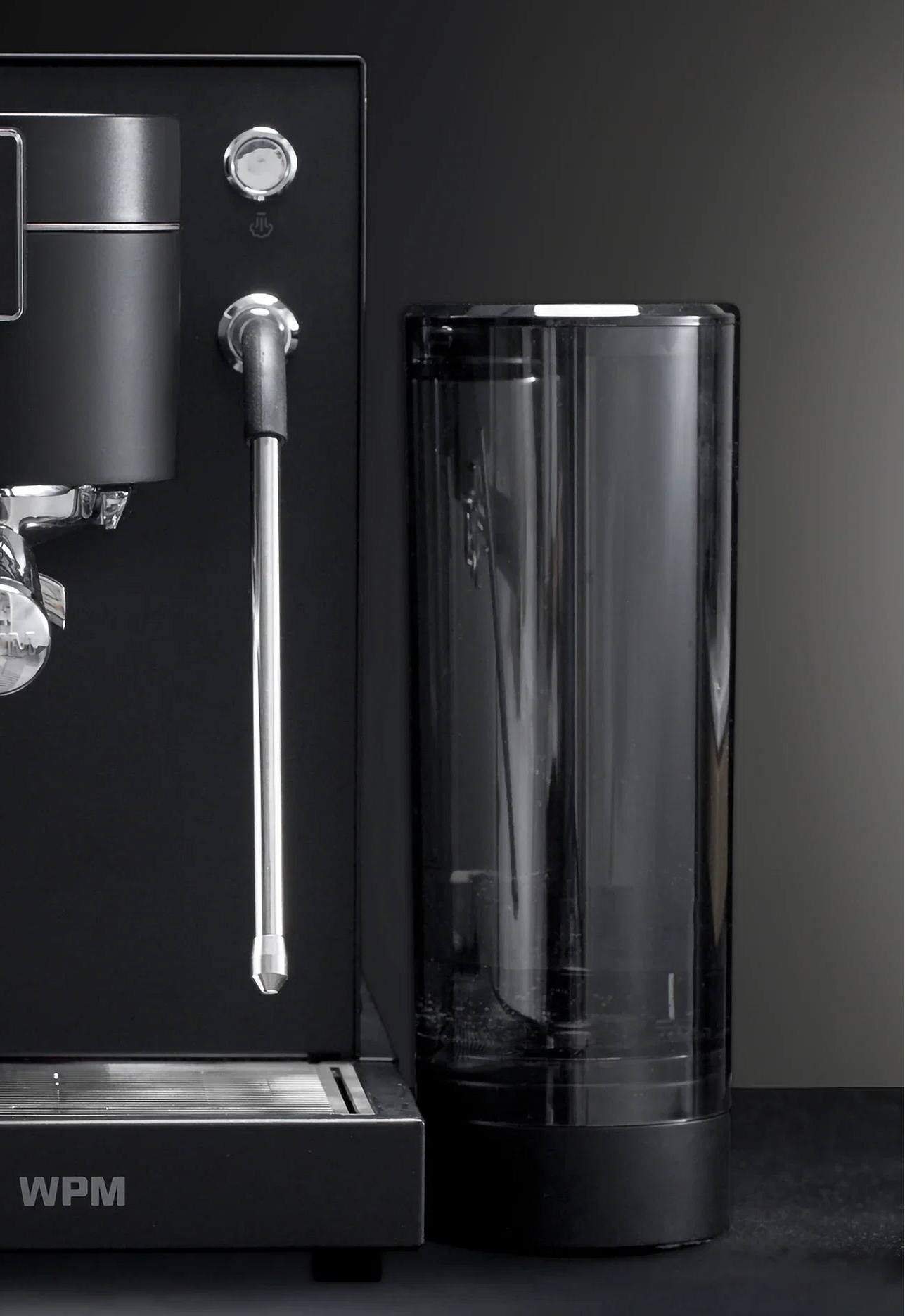
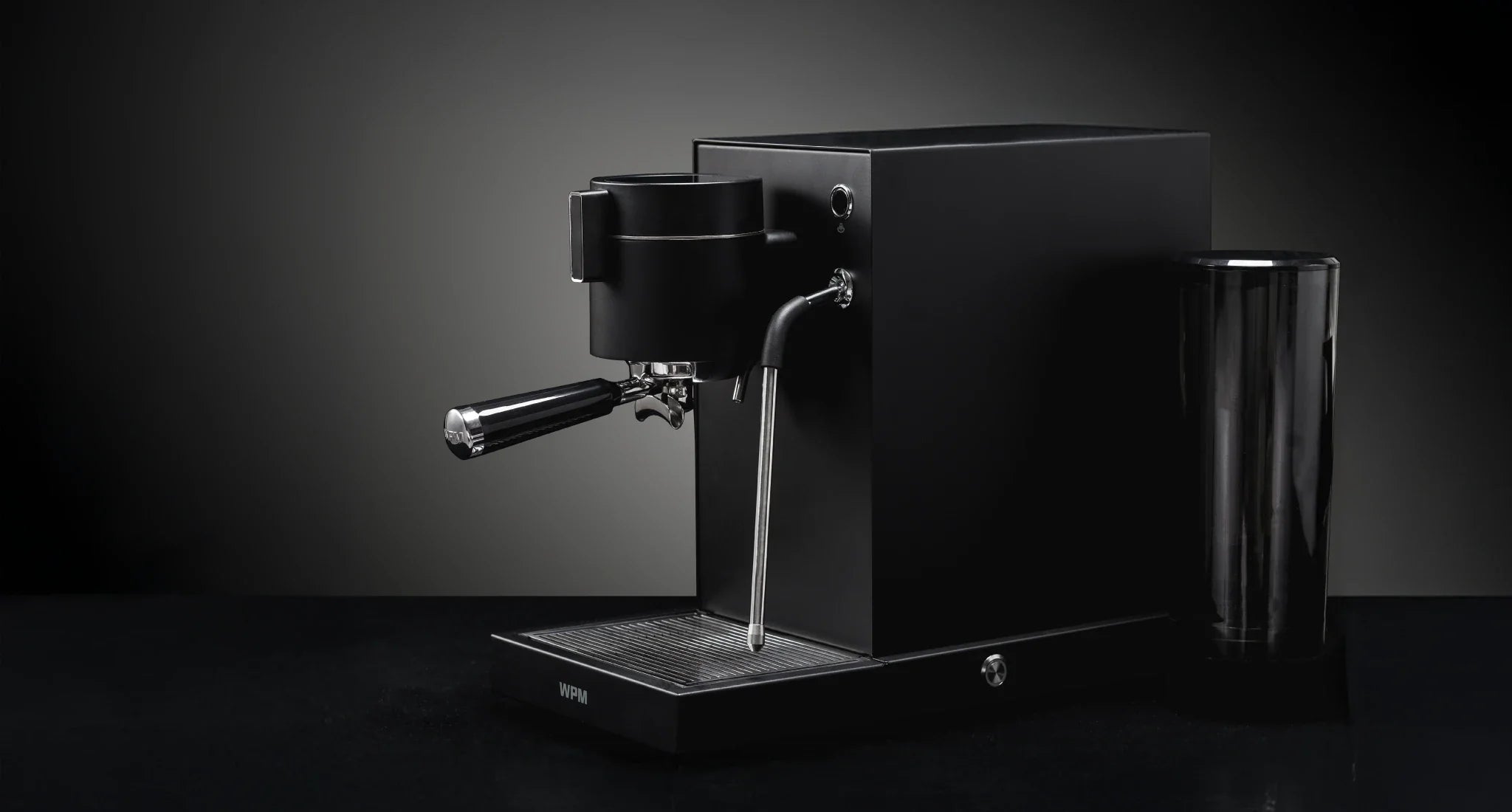
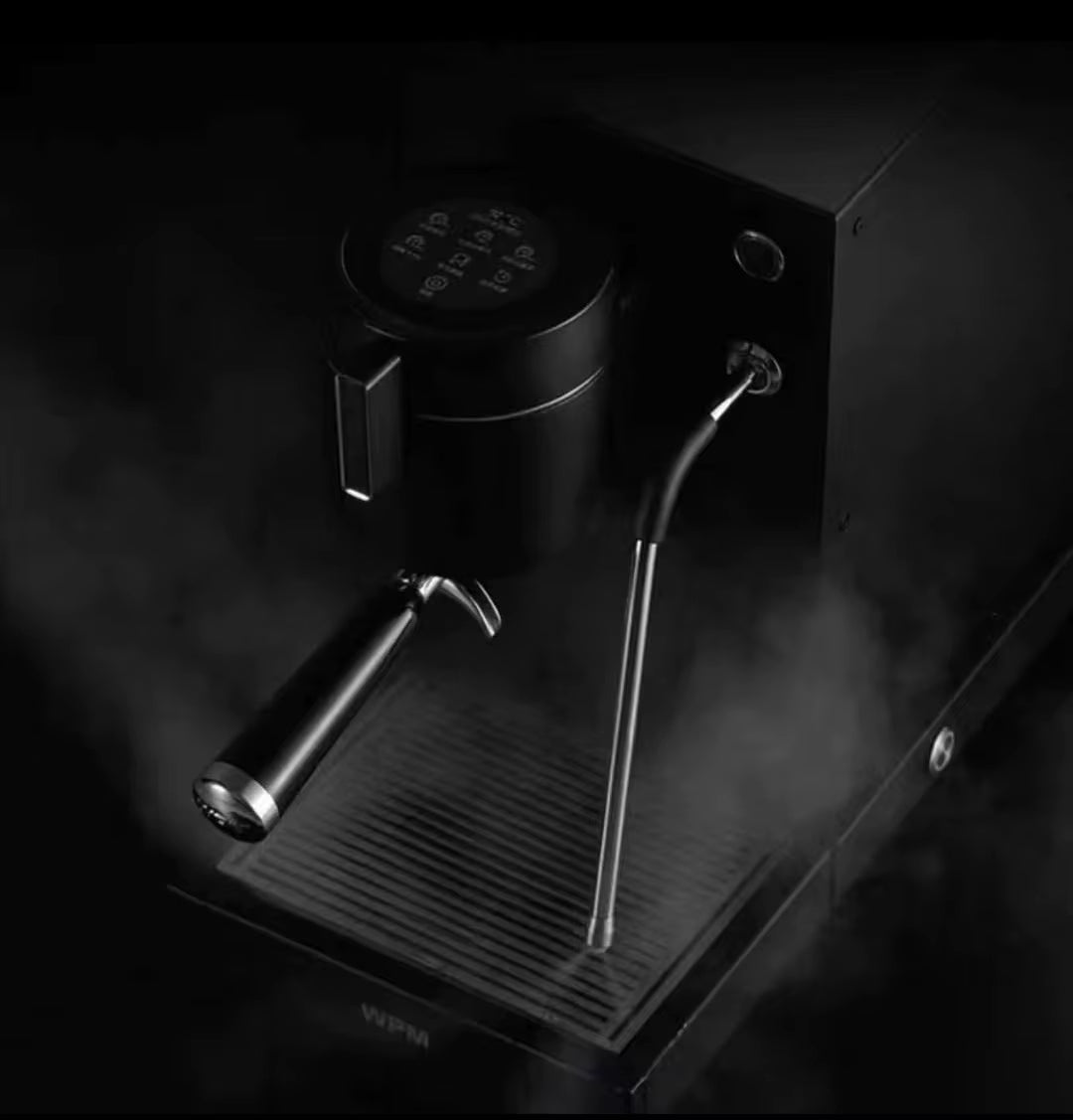
From the entry-level KD-1 Series for beginners to the flagship PRIMUS with its advanced
brewing mechanism, WPM espresso machines feature triple thermoblock heating, PID
temperature control, and Bluetooth connectivity for pressure profiling. The KD-3 Series
(KD-310, KD-320, KD-330) offers the sweet spot between professional performance and
home use.
Available at Vellutto.nl
Precision, consistency, and accuracy
Coffee Grinders
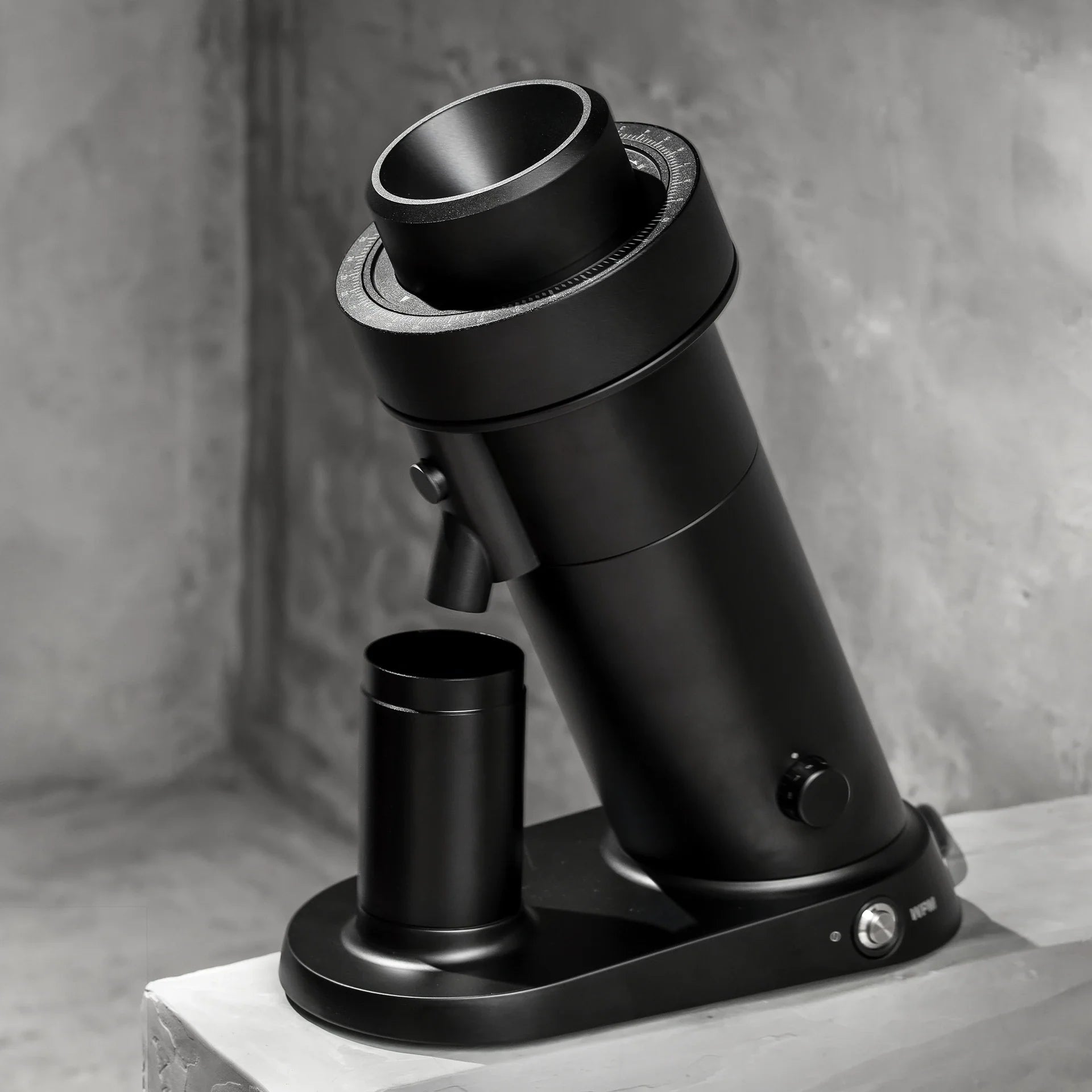
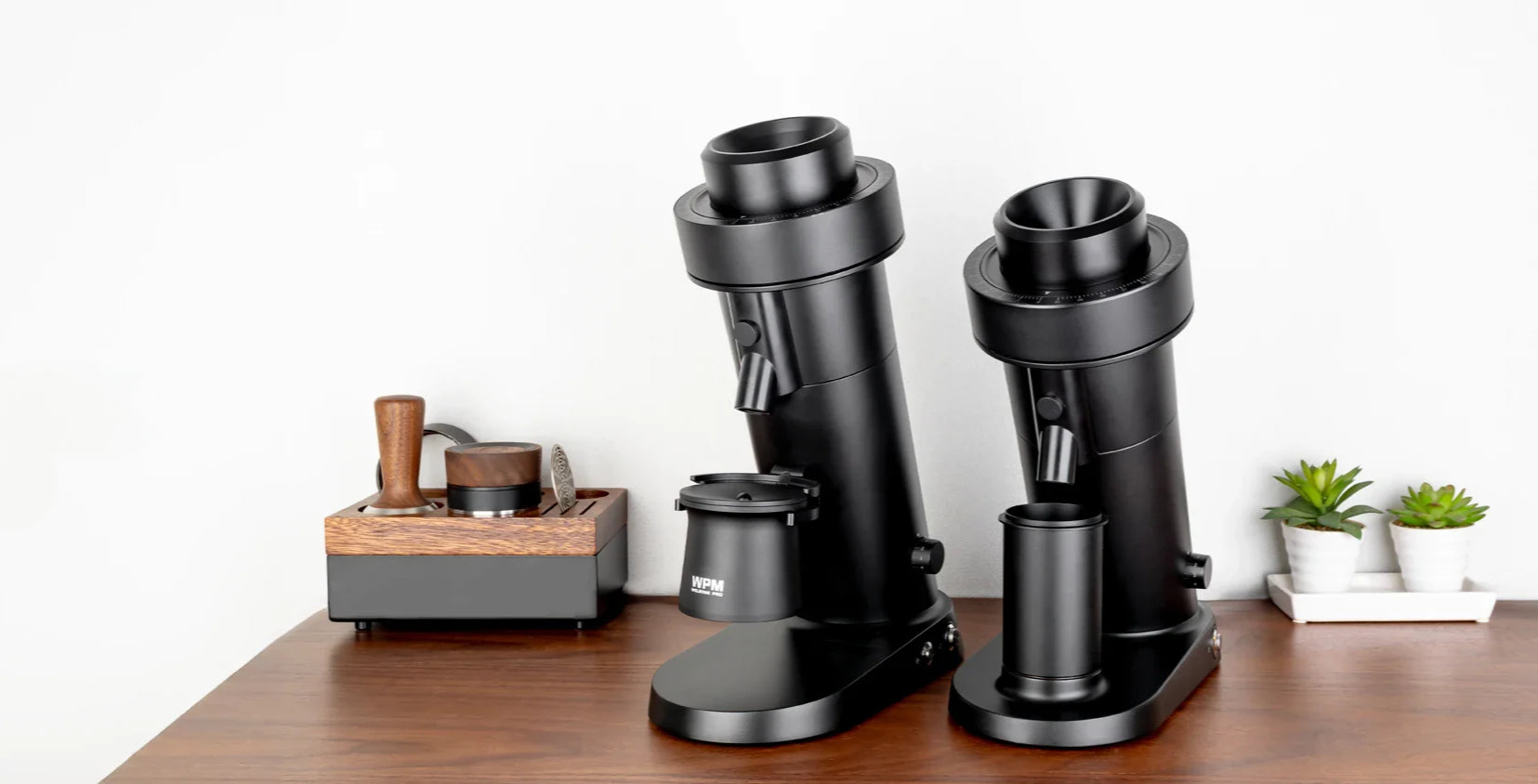
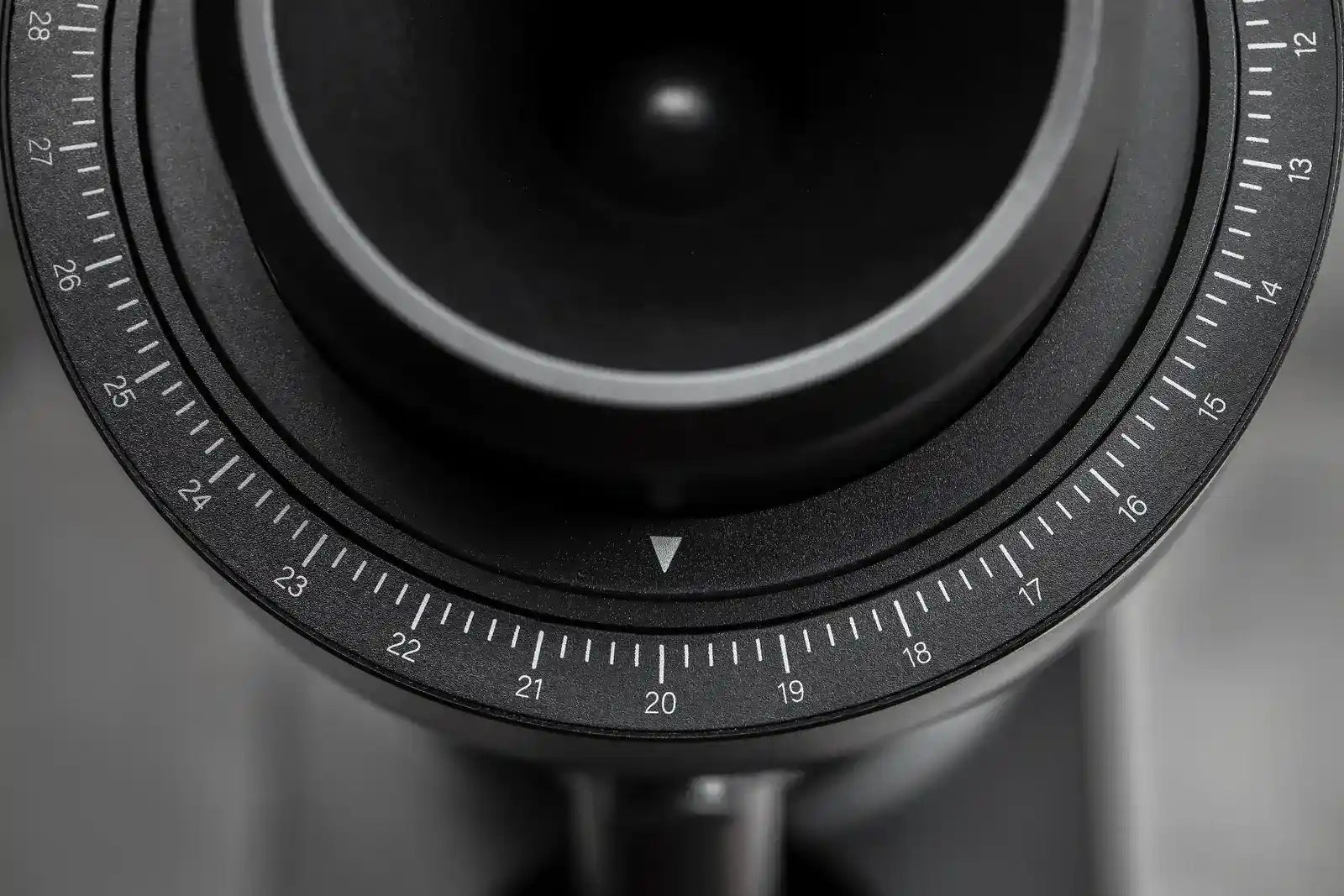
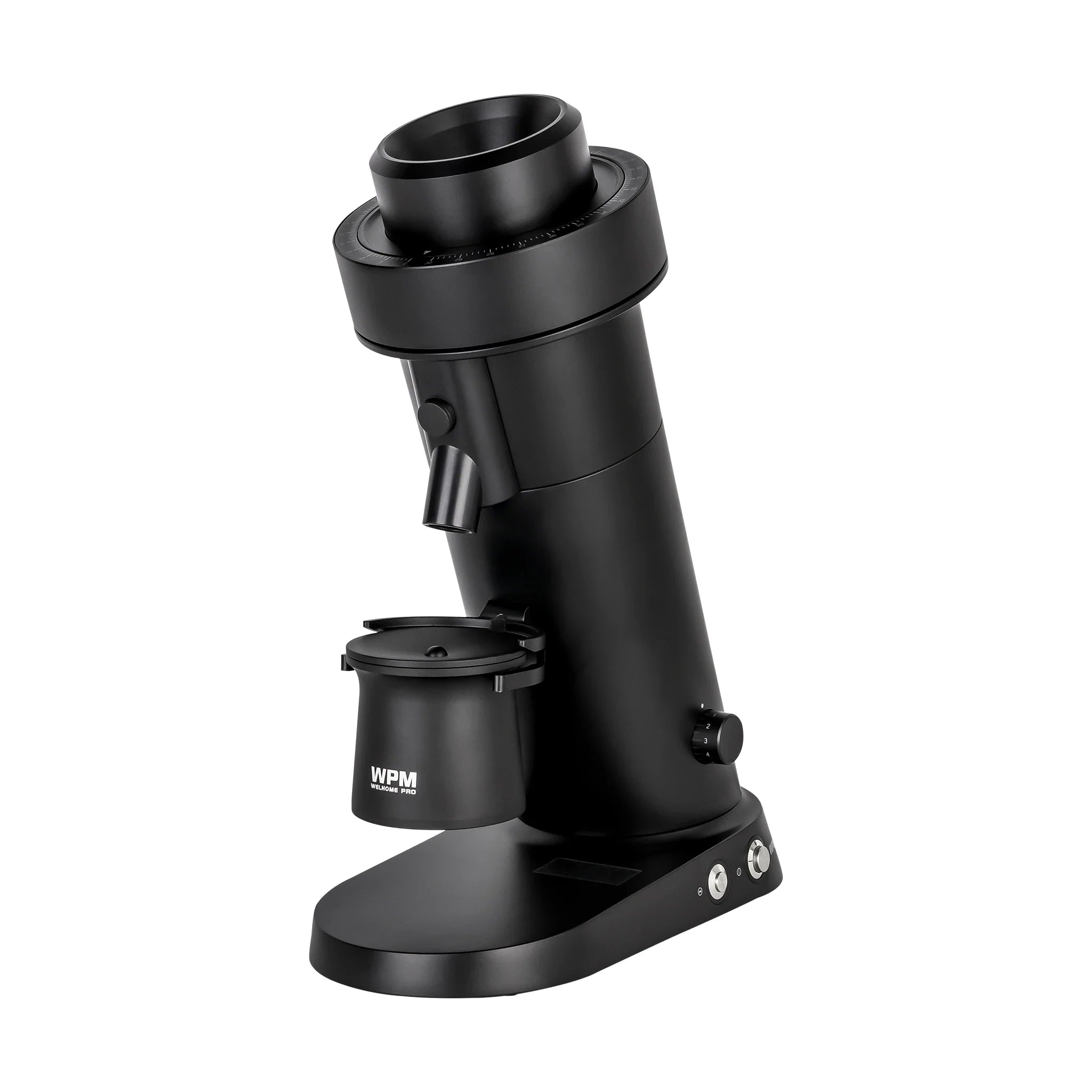
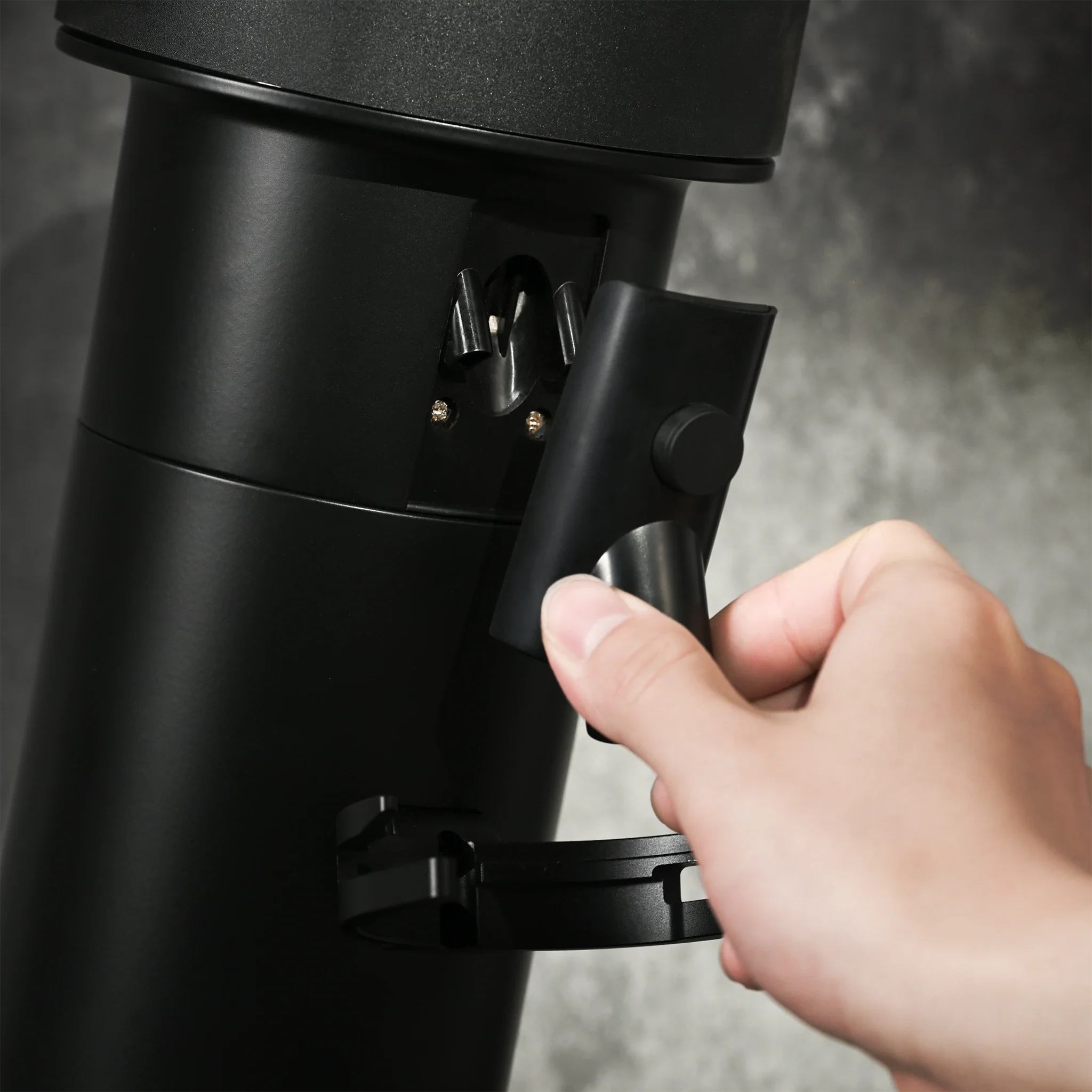
The ZP-1 Single Dose Grinder delivers conical burr precision with 30 grind settings for consistent dosing perfect for espresso. WPM also offers household grinders for daily use, commercial grinders for café environments, and the innovative Slingshot series for specialty brewing methods.
Available at Vellutto.nl
leading global milk pitcher brand
Milk Pitchers
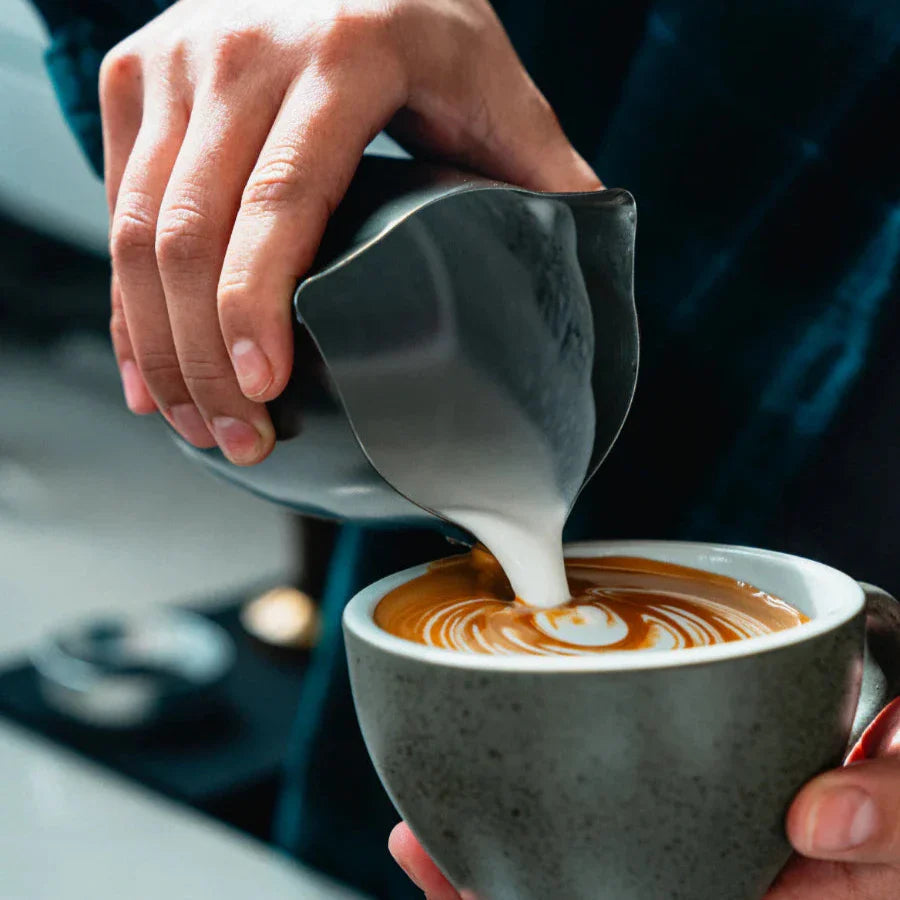
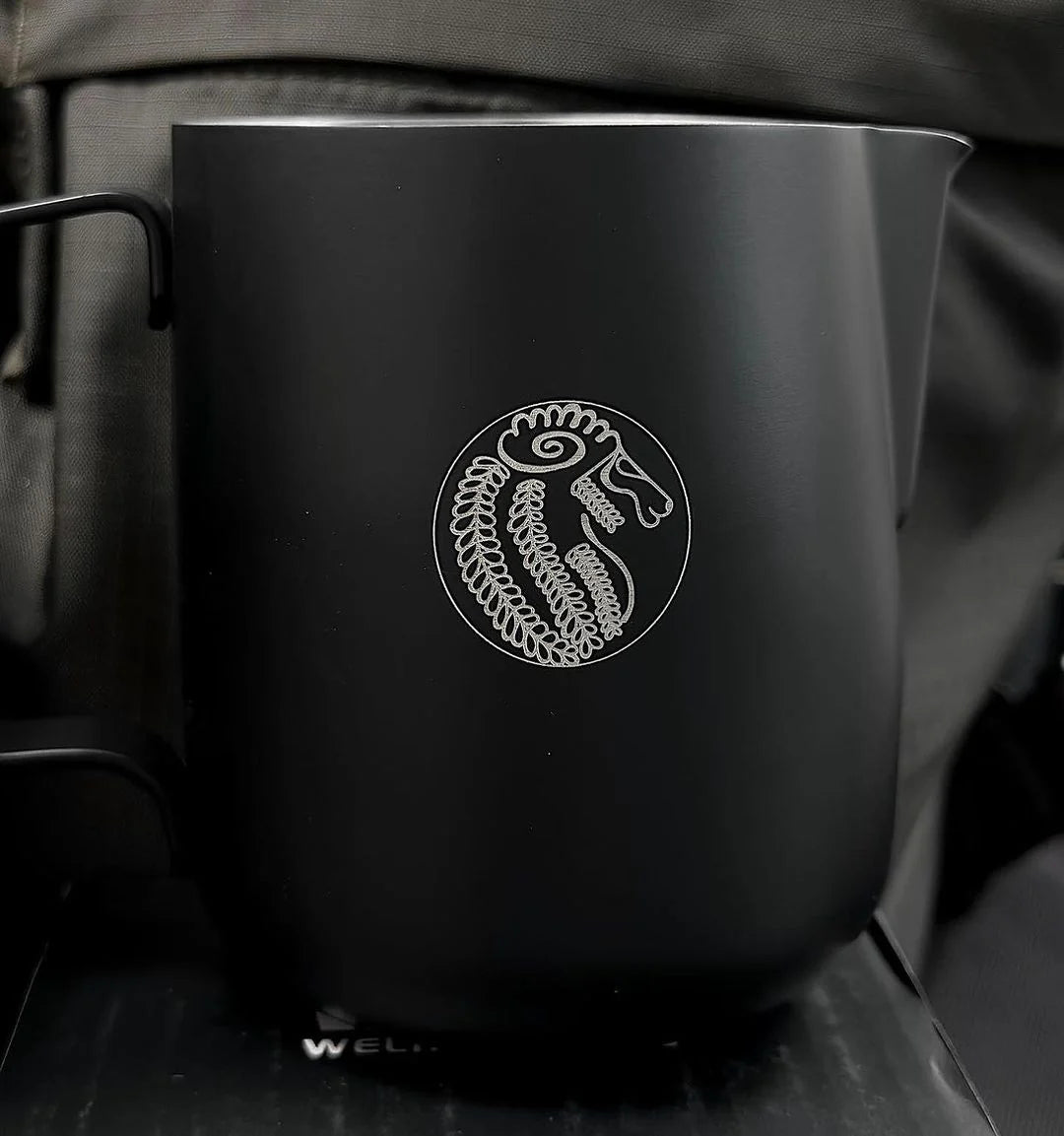
WPM is recognized as a leading global milk pitcher brand. Their range includes the
revolutionary KIMERA Tri-Spout handleless pitcher, competition-grade #30 Series, and
collaborations with world-class latte artists. Available in multiple spout profiles — Round,
Sharp, Wide, Tapered — and sizes from 300mL to 650mL.
Available at Vellutto.nl
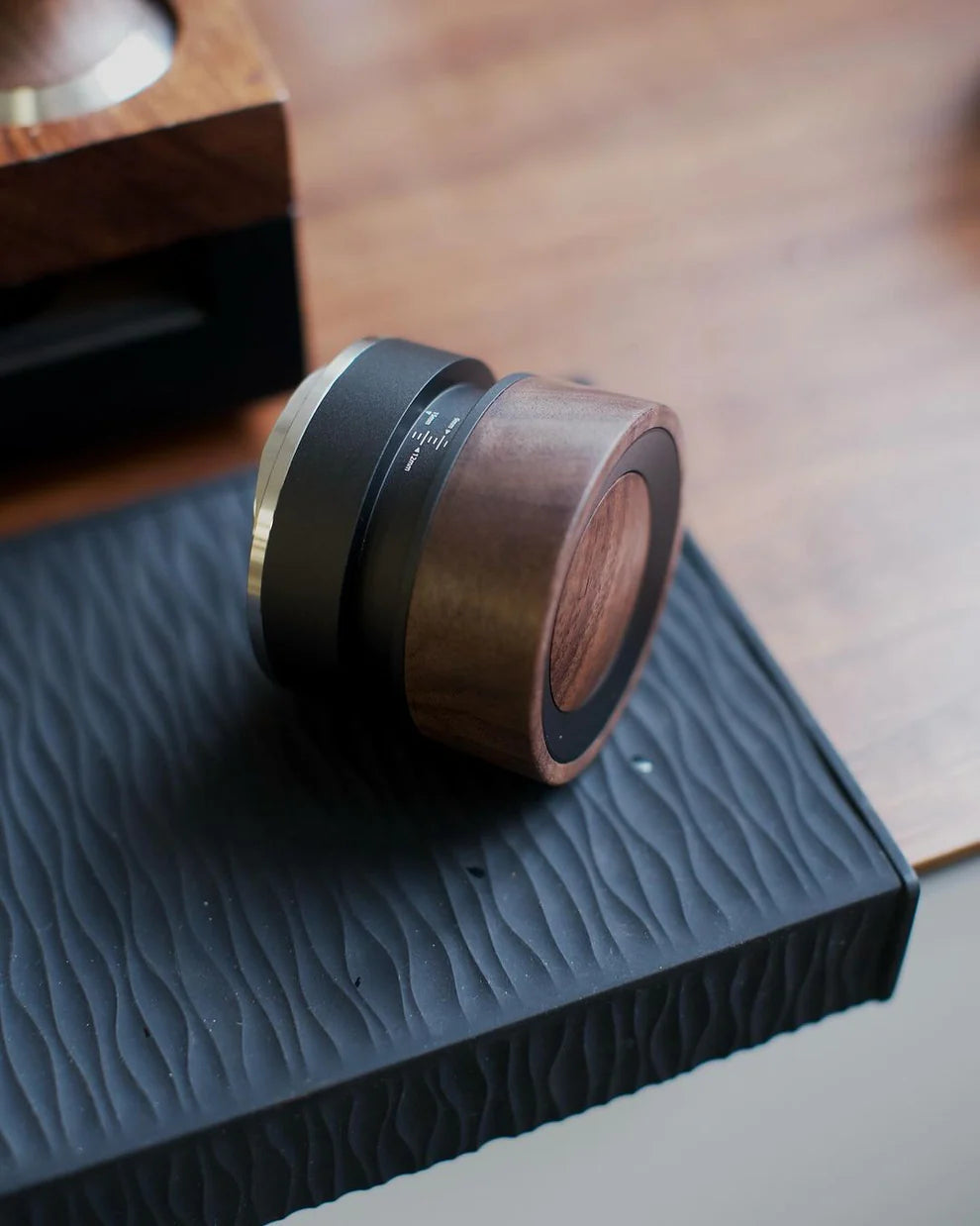
High-quality barista tools and accessories
Barista Accessories
Complete your setup with WPM’s full range of professional accessories: precision tampers
and tamping mats, distribution tools, pour-over equipment, bean storage solutions, knock boxes, cleaning products, portafilters, and latte art cups everything a home or professional barista needs.
Available at Vellutto.nl
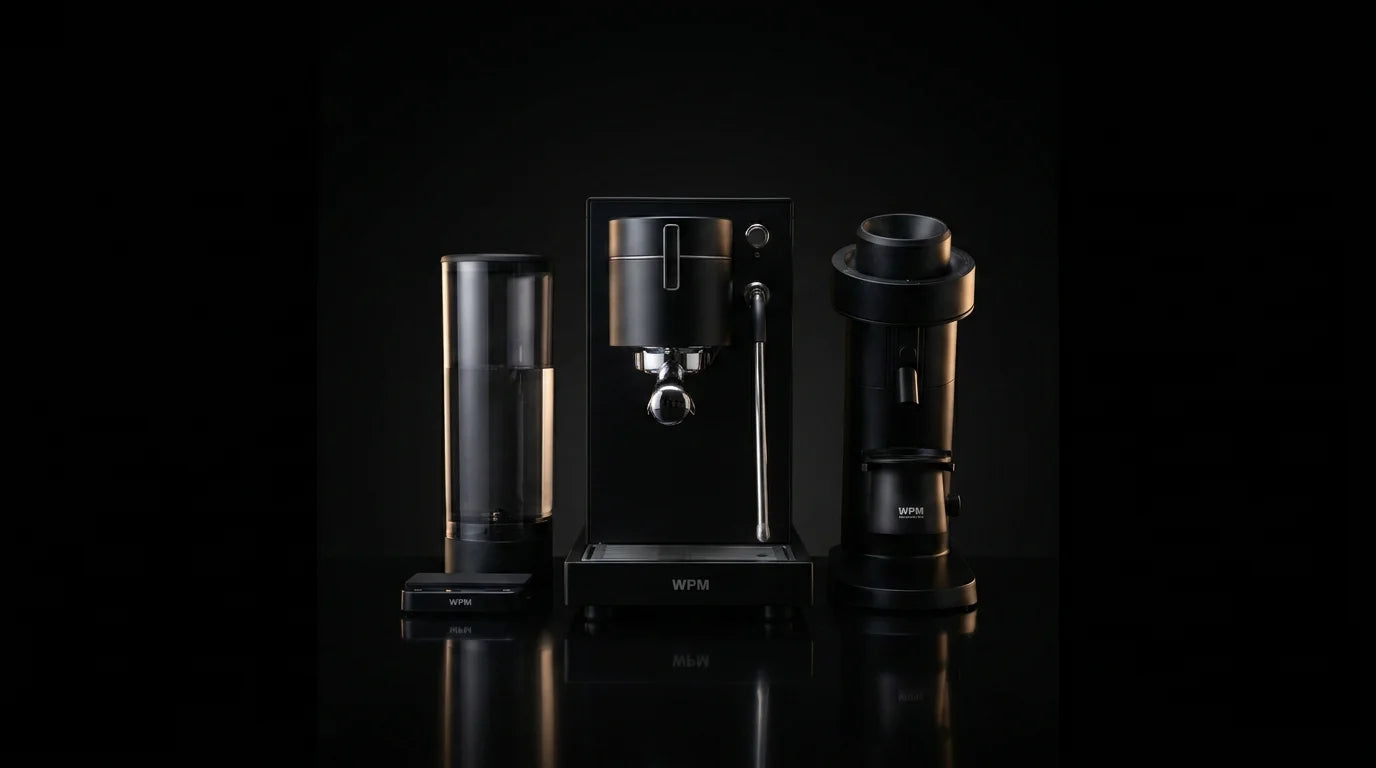
WPM products collection
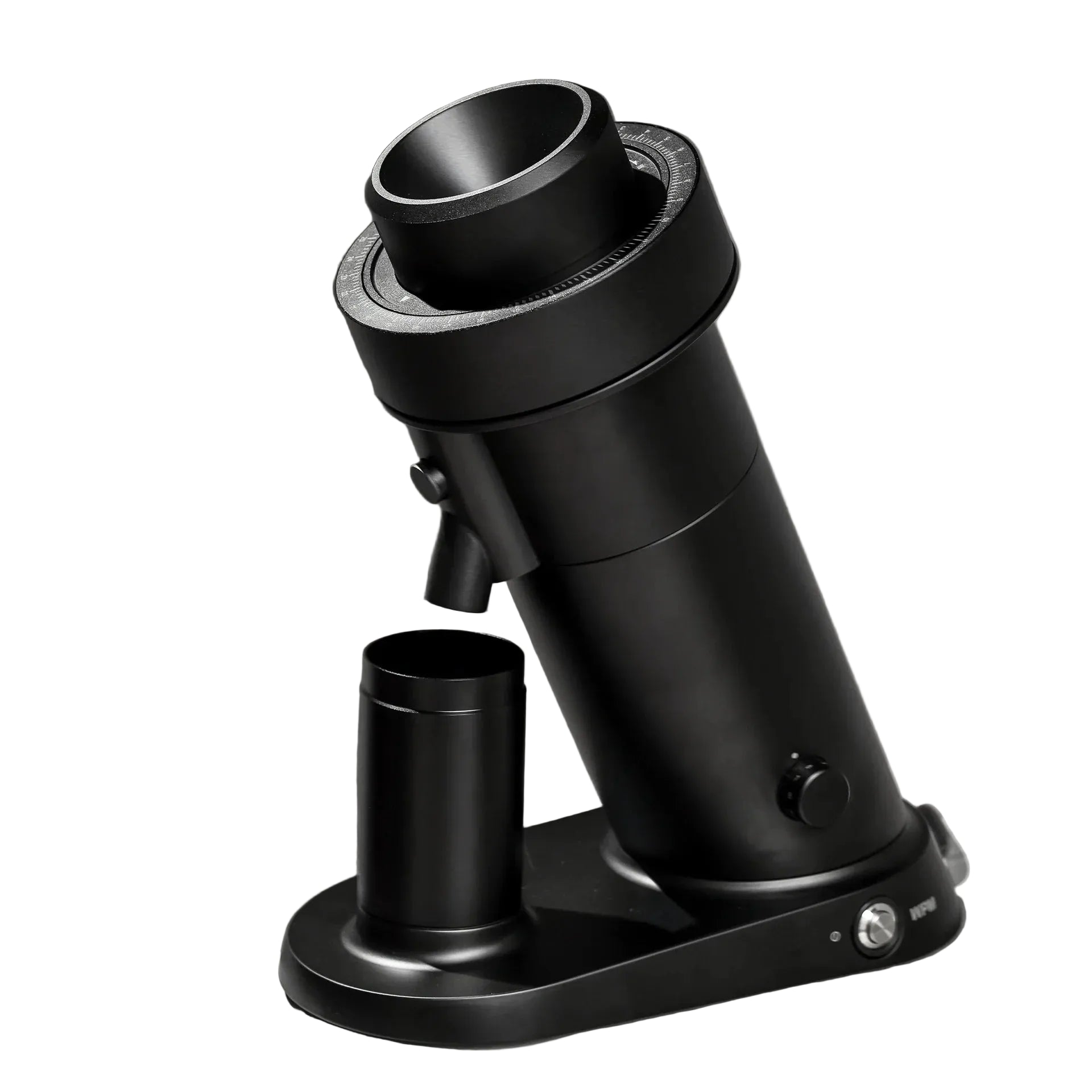
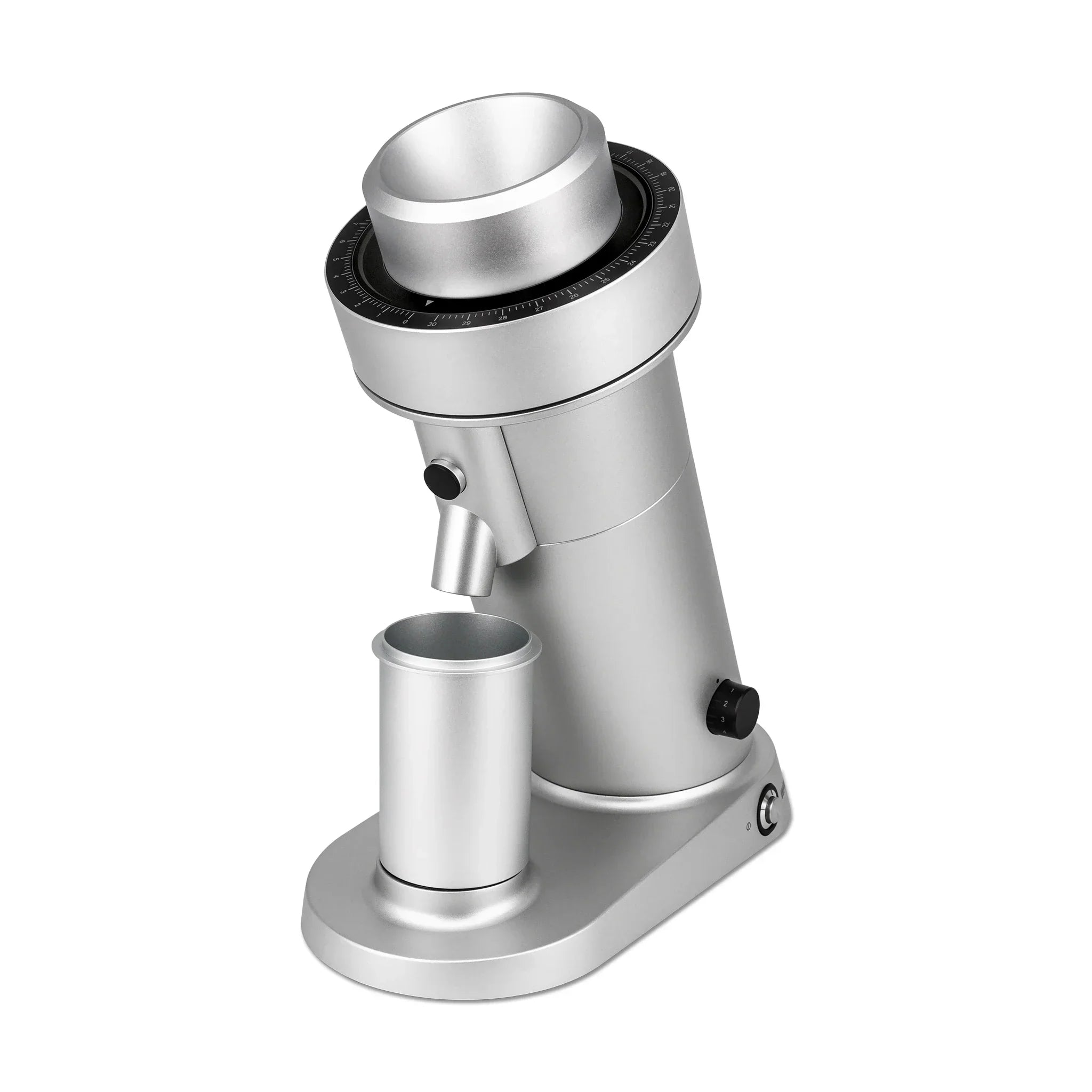
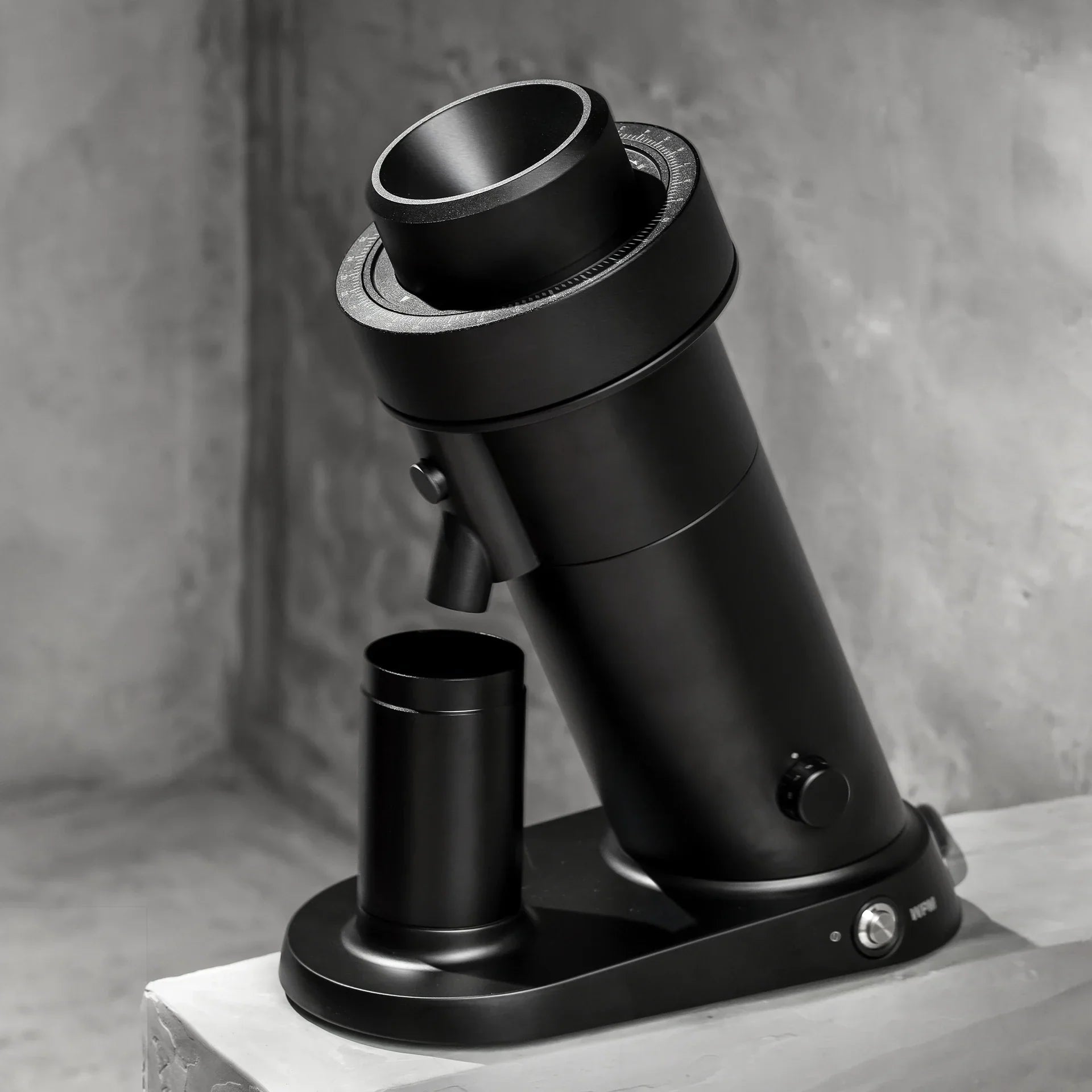
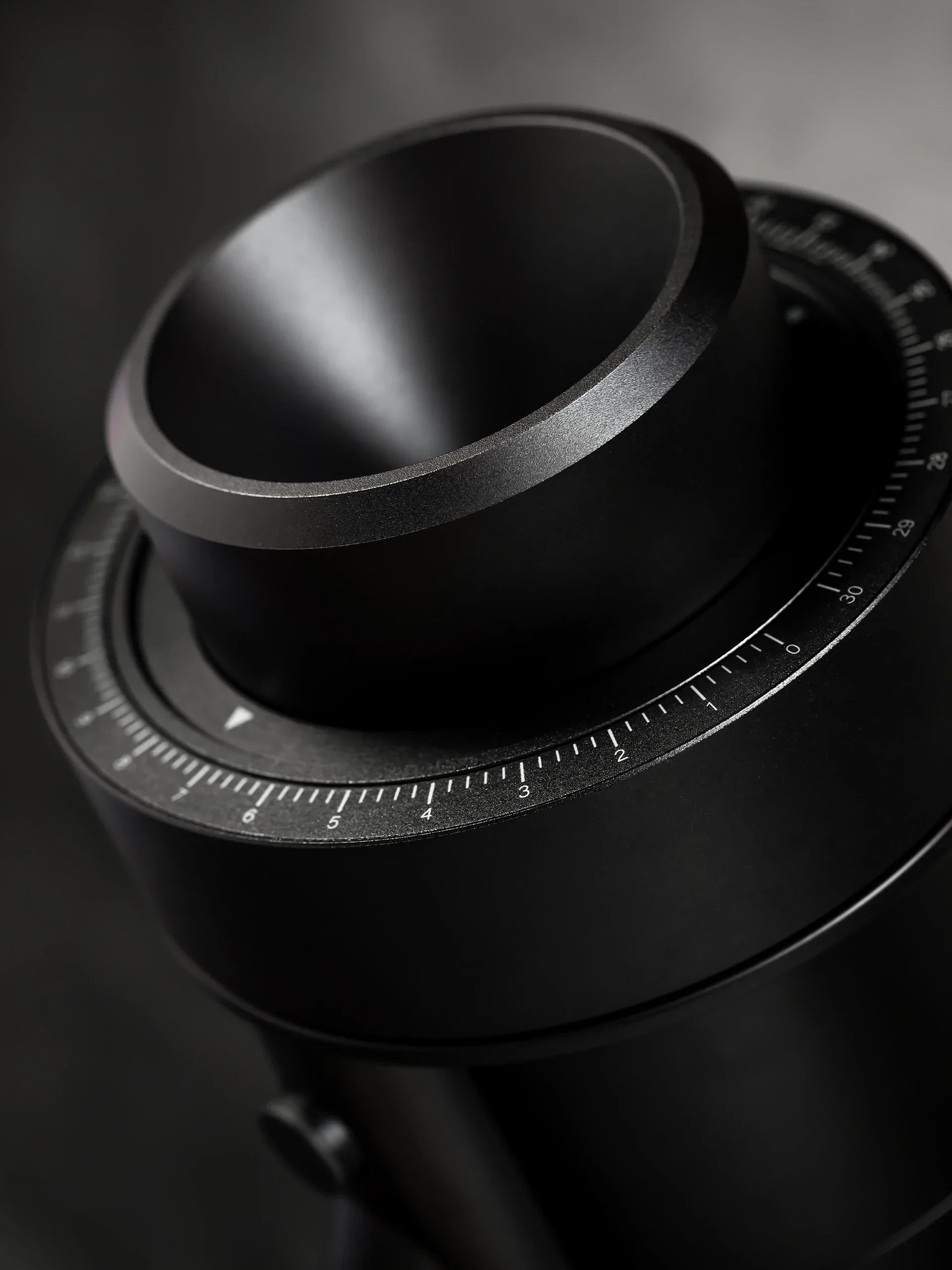
WPM ZP1 64mm Single Dose Grinder
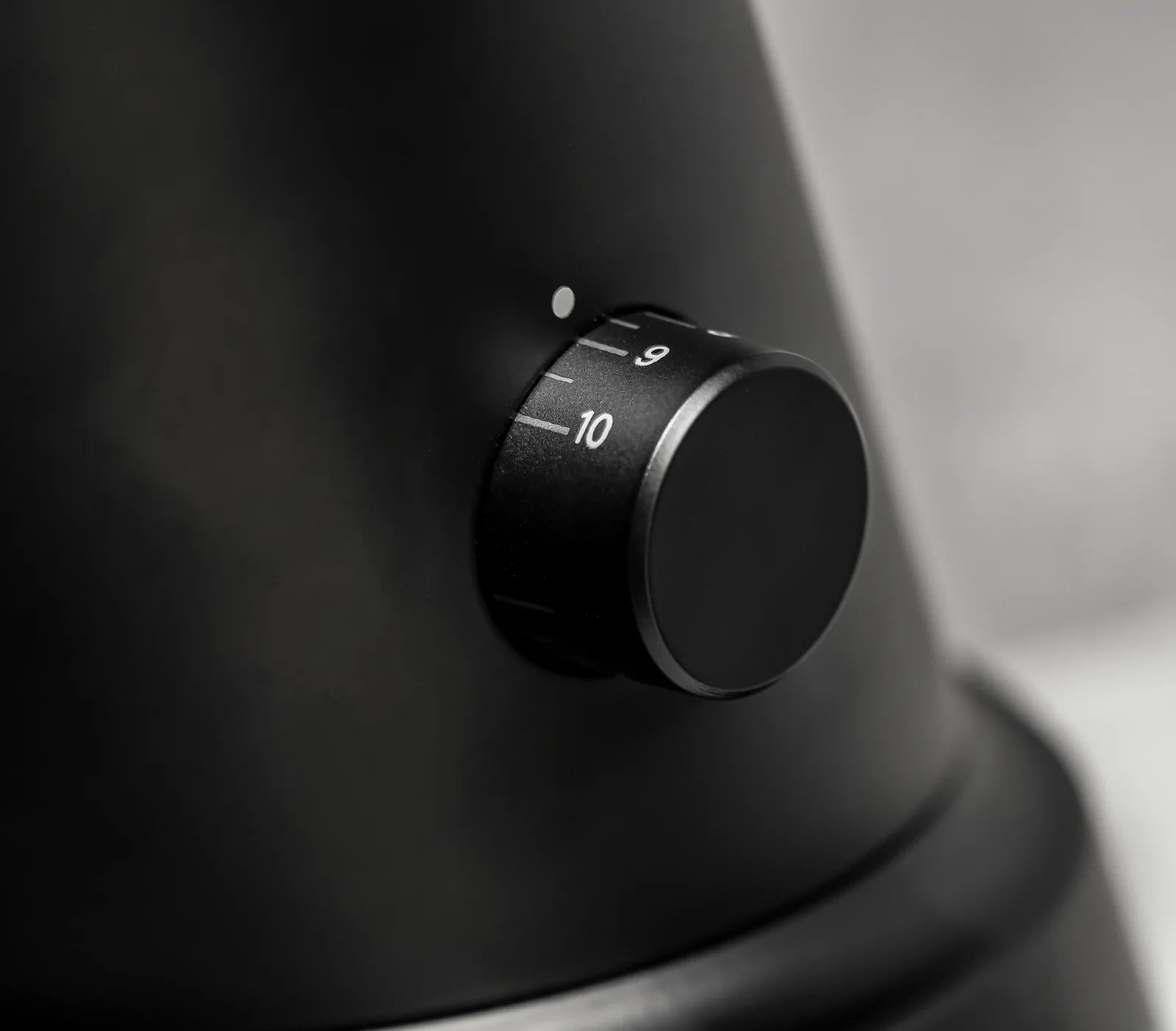
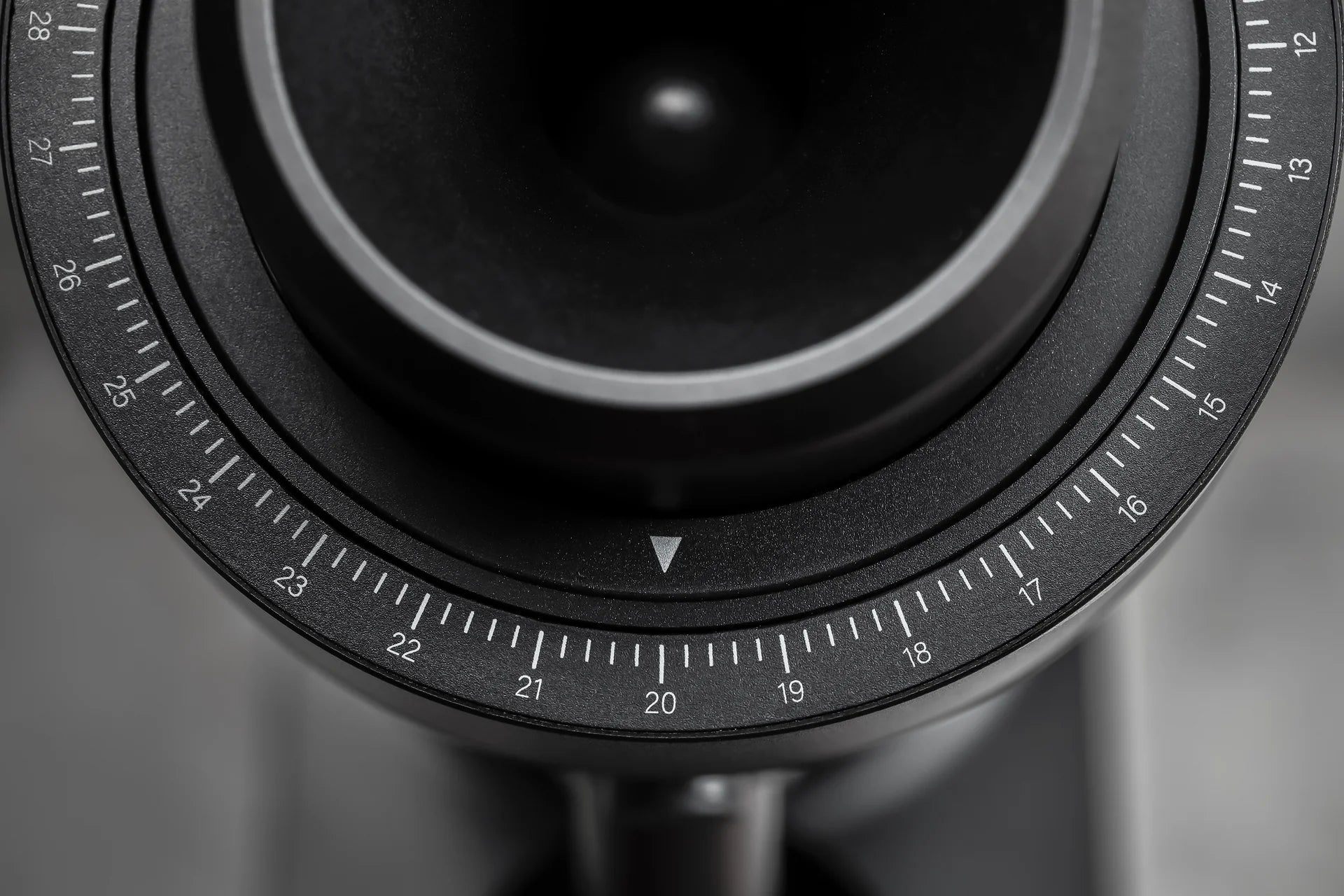
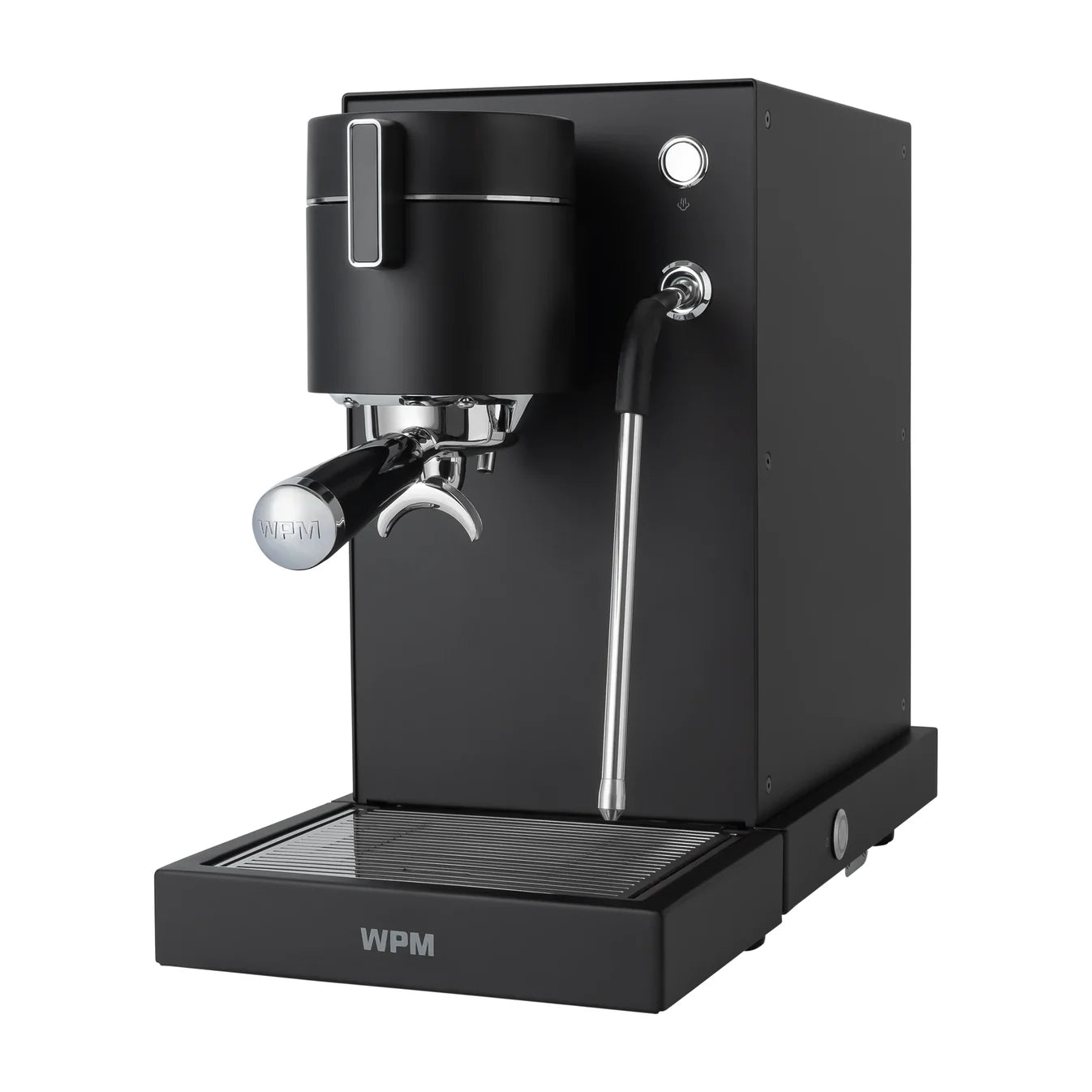
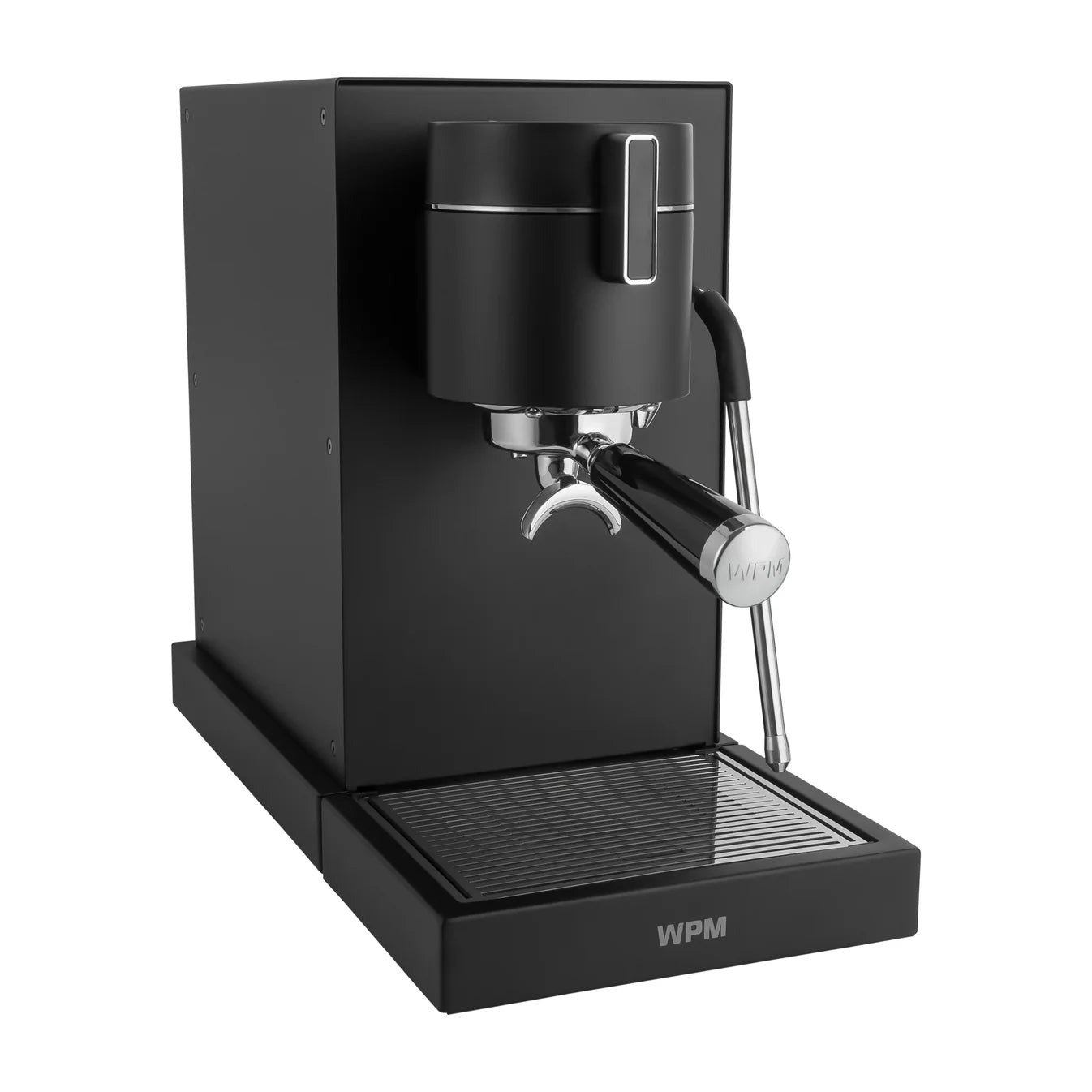

Quiet and Precise Pressure

Wendougee E-Bar

Thermoblocks and brew boiler

Touch screen

1.5L Tank + plumbable
FAQs
Please read our FAQs page to find out more.
What is WPM, and what does the name stand for?
WPM stands for Welhome Pro Manufacturing. The brand operates under G.M.P. Industrial Company, part of G.E.W. Corporation Ltd., headquartered in Kwun Tong, Kowloon, Hong Kong. The Welhome name dates back to 1994, when the parent group began producing branded home appliances for the Chinese and Hong Kong markets. WPM is the brand's international identity, sold today across Europe, Australia, North America, Southeast Asia, and the Middle East.
When was WPM founded?
WPM was founded in 2005 to solve one specific problem in home espresso: temperature inconsistency. Most consumer machines at the time used a single thermoblock that overheated or undershot between consecutive cups. WPM's twin thermoblock system was the answer, letting home baristas pull multiple shots without losing extraction quality.
From there, the brand expanded into grinders, milk steamers, and milk pitchers. Twenty years on, WPM is sold globally to home enthusiasts and working cafés alike.
Where is WPM made?
WPM is designed and engineered by a Hong Kong-based team, with manufacturing in mainland China. This is standard across the specialty coffee industry, including many European and Australian brands, and reflects where the supply chain for precision metalwork and electronics has consolidated rather than anything about quality. Manufacturing facilities use solar power and heat recovery as part of the brand's energy practices.
What does WPM make?
The full range covers every stage of the home coffee workflow:
- Espresso machines — from entry-level single thermoblock models to advanced multi-thermoblock and hybrid-boiler machines (KD-130, KD-135, KD-210, KD-270, KD-310, KD-330, KD-3000, Primus)
- Coffee grinders — stepped and stepless burr grinders for espresso and filter (ZD-10T, ZD-17, ZD-18, ZD-18S, ZP-1, KONOS)
- Milk steamers — standalone electric steamers (MS-130T)
- Milk pitchers — a wide range of spout profiles, sizes, and handle styles, used widely in latte art competitions
- Accessories — tamping mats, magnetic WDT tools, dosing cups, knock boxes, and curated coffee cups
What is WPM's flagship espresso machine?
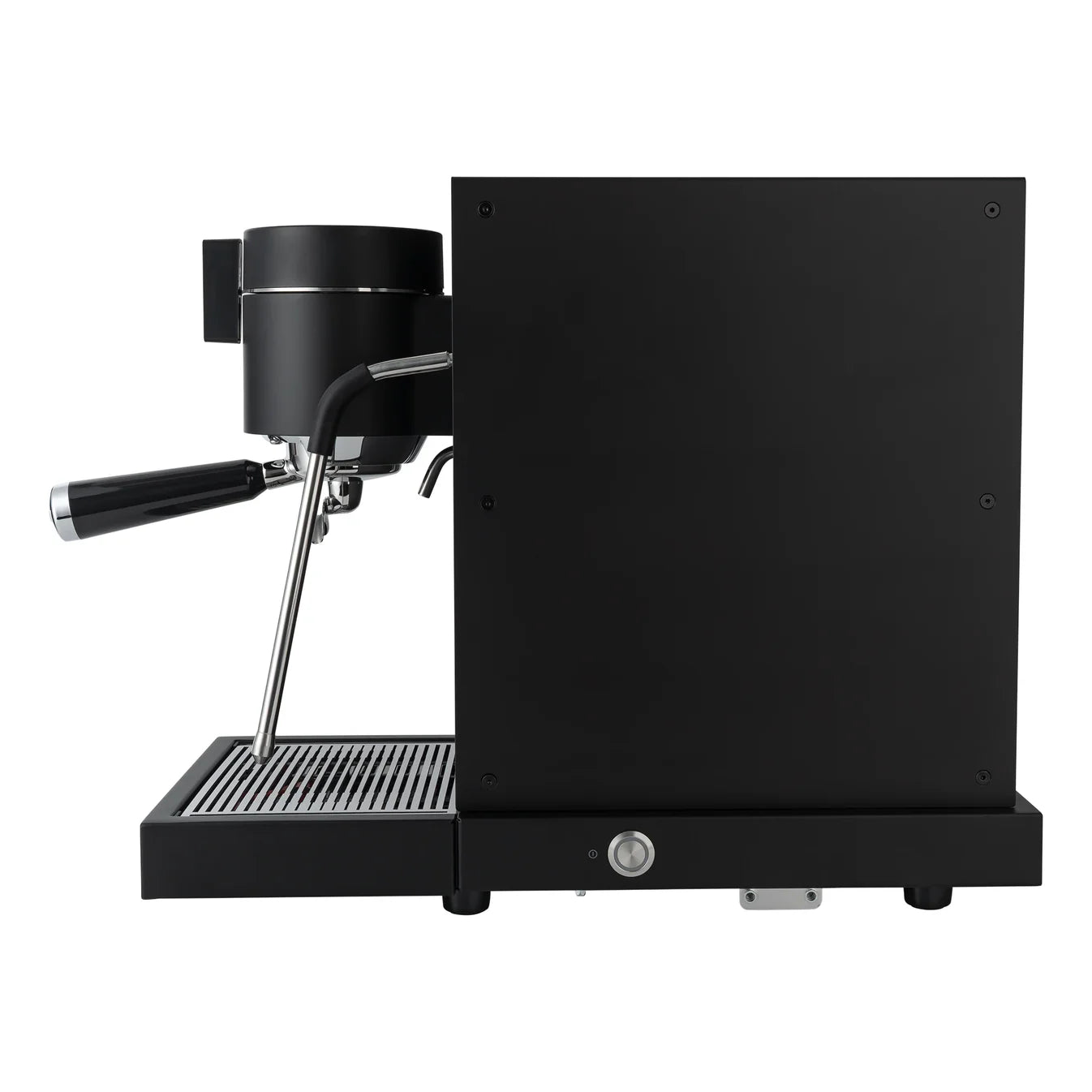
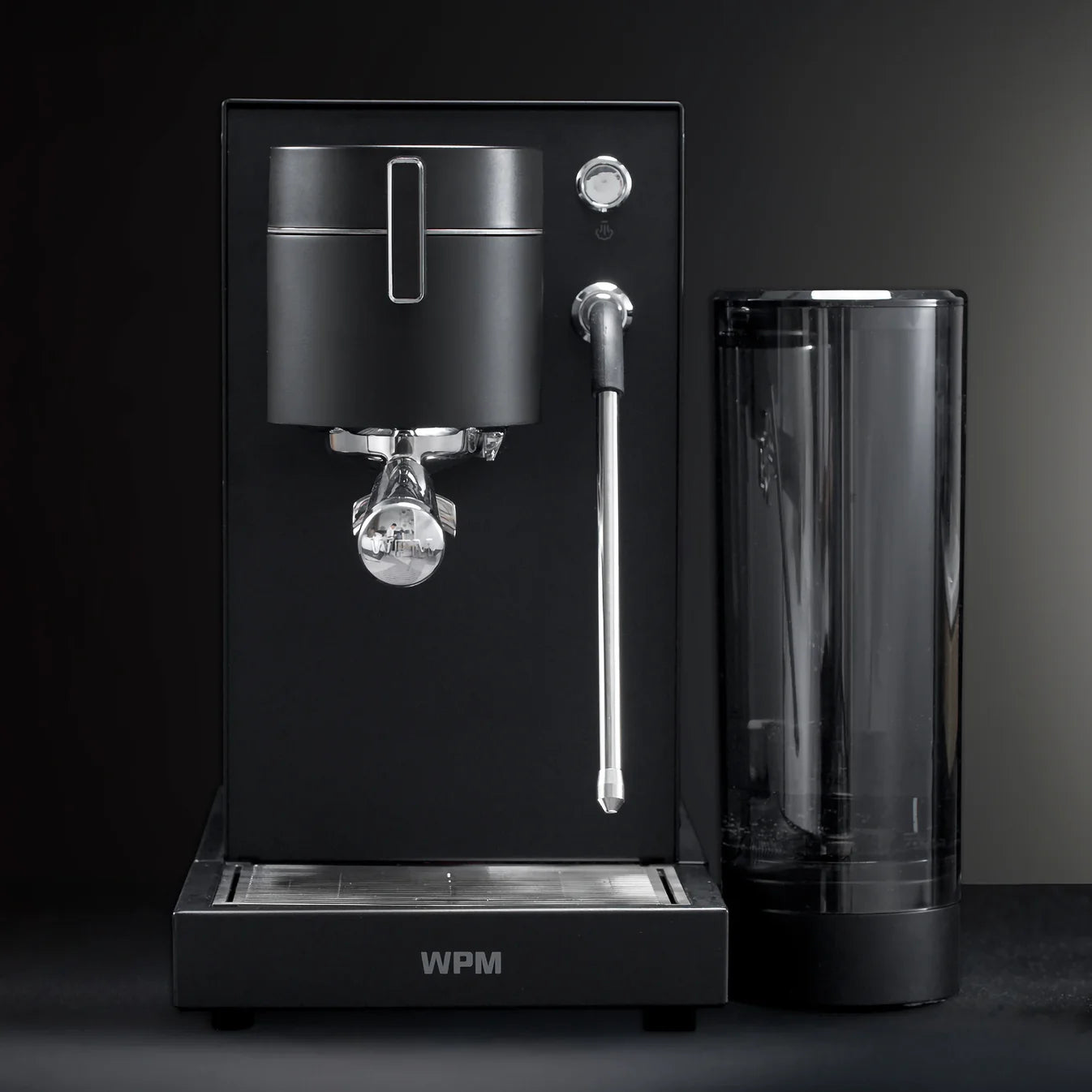
The WPM Primus, launched in 2025, is the top of the range. It uses a hybrid heating system: a 0.8-litre boiler combined with two dedicated PID thermoblock heaters, one for the brew head and one for the steam wand. That setup allows simultaneous brewing and steaming without pressure drop, which is normally the territory of much pricier dual-boiler machines.
A circular LCD screen sits in the group head and displays real-time pressure, flow rate, temperature, and shot duration. Brew temperature is adjustable in 1°C increments from 70°C to 98°C. The Primus uses a gear pump rather than the standard vibration pump, which gives smoother and more controllable pressure profiling. Heat-up time is around 3 minutes, considerably faster than traditional boiler machines, with comparable temperature stability.
What makes the KD-310 so popular?
The KD-310 series is WPM's best-selling machine globally. The spec sheet explains why: triple thermoblock system with a dedicated super-steam thermoblock, PID temperature control (88–96°C), four programmable pre-infusion settings, a 58mm stainless steel group head, 2.5-litre water tank, and an analogue pressure gauge, all in a stainless steel body. It is particularly popular with home baristas who want simultaneous brew and steam without paying for a true dual-boiler.
Are WPM grinders worth it?
Generally, yes. They tend to offer higher specs (conical burrs, touchscreen displays, on-demand grinding, stainless steel bodies) than European grinders at the same price. The ZD-18S is a commercial-grade option, the ZP-1 and KONOS are aimed at home enthusiasts who want precision stepless adjustment and low retention, and the ZD-10T is an entry-level conical burr grinder for filter coffee with 20 grind settings covering espresso through cold brew.
Are WPM milk pitchers really used in competitions?
Yes. The pitchers are designed with deliberately engineered spout profiles (push-and-flow versus drag-and-draw geometries) that affect milk flow direction and integration. WPM sponsors major competitions including the PCA Latte Art Competition, CTI Latte Art Duel, Hong Kong Latte Art Championships, and the Hong Kong Brewer's Cup. For anyone serious about latte art, the pitcher line is one of WPM's strongest categories.
Is WPM a good brand?
WPM has built a strong reputation in specialty coffee, particularly across Asia and Australia, with growing recognition in Europe and North America. The engineering arguments hold up: real PID control, multi-thermoblock systems, proper 58mm portafilters, and pricing that undercuts comparable European or Australian machines.
How does WPM compare to Breville (Sage in the EU) or De'Longhi?
WPM tends to offer comparable or stronger specifications at a similar price, but with less brand recognition in Western markets. Compared to a Breville Bambino or BES500, a WPM KD-270 or KD-310 typically gives you more thermoblocks, a larger water tank, and a 58mm group head.
Is WPM equipment suitable for beginners?
Yes, Primus brings pressure profiling, real-time shot data, and simultaneous brew-steam capability at a fraction of dual-boiler pricing with the same specs, and beginner can start with the machine without working with pressure profiling.
Where can I buy WPM in the EU and EEA?
Vellutto ship In the EU and EEA. With insured shipping.
Do WPM machines use a standard 58mm portafilter?
Primus use a 58mm group head and portafilter, the same standard used by commercial espresso machines. However it does not fit in the normal E61 group head while the basket size is the same, it use different design for the portafilter.
Can WPM Primus espresso machine brew and steam at the same time?
yes, it can steam and brew at the same time.